
Most-Read Buying Decisions
Age-by-Age Toy Guide: What Actually Fits Kids From 1 to 10
What children are working on from ages 1 to 10, which toys support it, what to skip at each stage, and how to read an age...
Read More — Age-by-Age Toy Guide: What Actually Fits Kids From 1 to 10
How to Compare Two Toys Before You Buy: 8 Criteria That Matter
Eight criteria for comparing two toys before you buy, from play patterns and setup friction to consumables, footprint, and resale value.
Read More — How to Compare Two Toys Before You Buy: 8 Criteria That Matter
How to Choose a Toy: A 10-Minute Decision Framework for Parents
A ten-minute framework for choosing a toy that gets used: age fit, play patterns, setup friction, safety checks, and cost per play.
Read More — How to Choose a Toy: A 10-Minute Decision Framework for Parents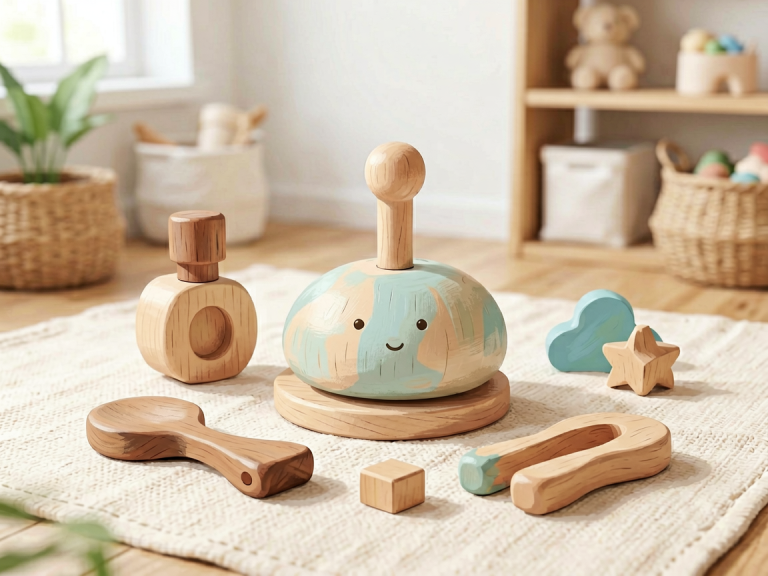
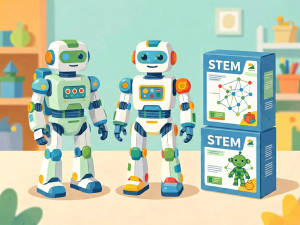
Coding Toys for Kindergarteners: Worth the Hype or Just a Gimmick?
Coding toys for kindergarteners promise big learning. What the evidence supports at age five, what is marketing, and when a basic set is enough.
Read More — Coding Toys for Kindergarteners: Worth the Hype or Just a Gimmick?Newest Toy Guides
Age-by-Age Toy Guide: What Actually Fits Kids From 1 to 10
What children are working on from ages 1 to 10, which toys support it, what to skip at each stage, and how to read an age...
Read More — Age-by-Age Toy Guide: What Actually Fits Kids From 1 to 10
How to Compare Two Toys Before You Buy: 8 Criteria That Matter
Eight criteria for comparing two toys before you buy, from play patterns and setup friction to consumables, footprint, and resale value.
Read More — How to Compare Two Toys Before You Buy: 8 Criteria That Matter
How to Choose a Toy: A 10-Minute Decision Framework for Parents
A ten-minute framework for choosing a toy that gets used: age fit, play patterns, setup friction, safety checks, and cost per play.
Read More — How to Choose a Toy: A 10-Minute Decision Framework for Parents
Coding Toys for Kindergarteners: Worth the Hype or Just a Gimmick?
Coding toys for kindergarteners promise big learning. What the evidence supports at age five, what is marketing, and when a basic set is enough.
Read More — Coding Toys for Kindergarteners: Worth the Hype or Just a Gimmick?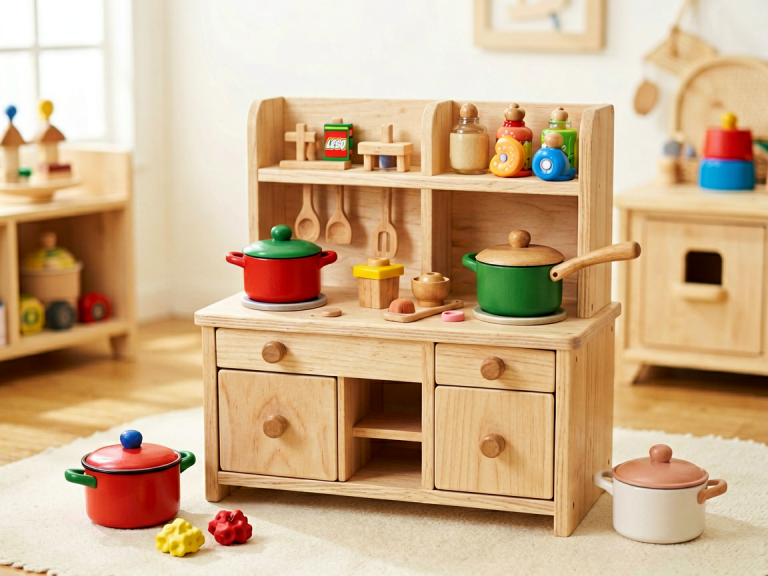
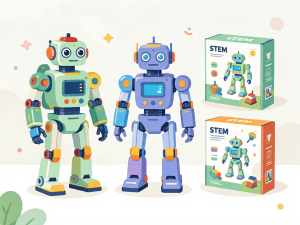
Coding Toys for 13-Year-Olds: Are They Worth the Hype and the Price?
Thirteen-year-olds can handle real programming. Whether coding toys at this age justify the price, and what actually holds their attention.
Read More — Coding Toys for 13-Year-Olds: Are They Worth the Hype and the Price?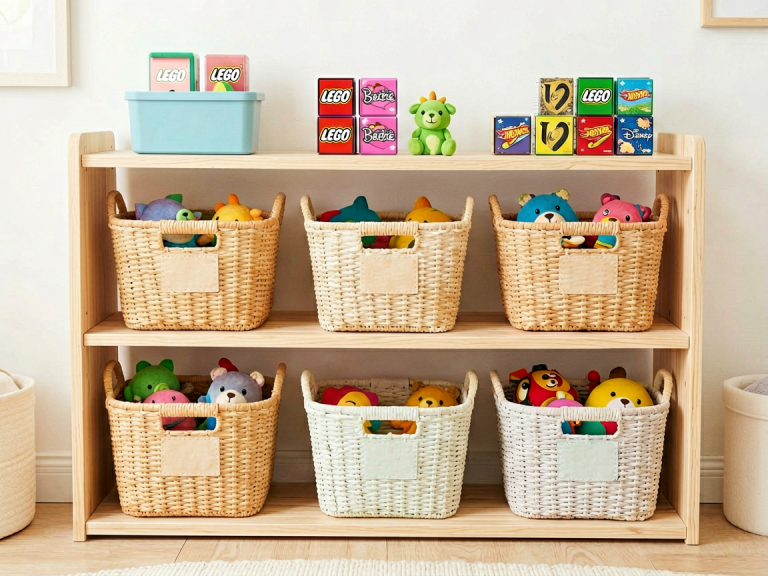
Engineering Kits for Tweens: Choosing the Right Build
Engineering kits for tweens: choosing the right build for ages 9 to 12. Covers age fit, materials, common mistakes, and smart buying tips.
Read More — Engineering Kits for Tweens: Choosing the Right BuildHead-to-Head Toy Comparisons
Age-by-Age Toy Guide: What Actually Fits Kids From 1 to 10
What children are working on from ages 1 to 10, which toys support it, what to skip at each stage, and how to read an age...
Read More — Age-by-Age Toy Guide: What Actually Fits Kids From 1 to 10
How to Compare Two Toys Before You Buy: 8 Criteria That Matter
Eight criteria for comparing two toys before you buy, from play patterns and setup friction to consumables, footprint, and resale value.
Read More — How to Compare Two Toys Before You Buy: 8 Criteria That Matter
How to Choose a Toy: A 10-Minute Decision Framework for Parents
A ten-minute framework for choosing a toy that gets used: age fit, play patterns, setup friction, safety checks, and cost per play.
Read More — How to Choose a Toy: A 10-Minute Decision Framework for Parents
Coding Toys for Kindergarteners: Worth the Hype or Just a Gimmick?
Coding toys for kindergarteners promise big learning. What the evidence supports at age five, what is marketing, and when a basic set is enough.
Read More — Coding Toys for Kindergarteners: Worth the Hype or Just a Gimmick?
Coding Toys for 13-Year-Olds: Are They Worth the Hype and the Price?
Thirteen-year-olds can handle real programming. Whether coding toys at this age justify the price, and what actually holds their attention.
Read More — Coding Toys for 13-Year-Olds: Are They Worth the Hype and the Price?
Engineering Kits for Tweens: Choosing the Right Build
Engineering kits for tweens: choosing the right build for ages 9 to 12. Covers age fit, materials, common mistakes, and smart buying tips.
Read More — Engineering Kits for Tweens: Choosing the Right Build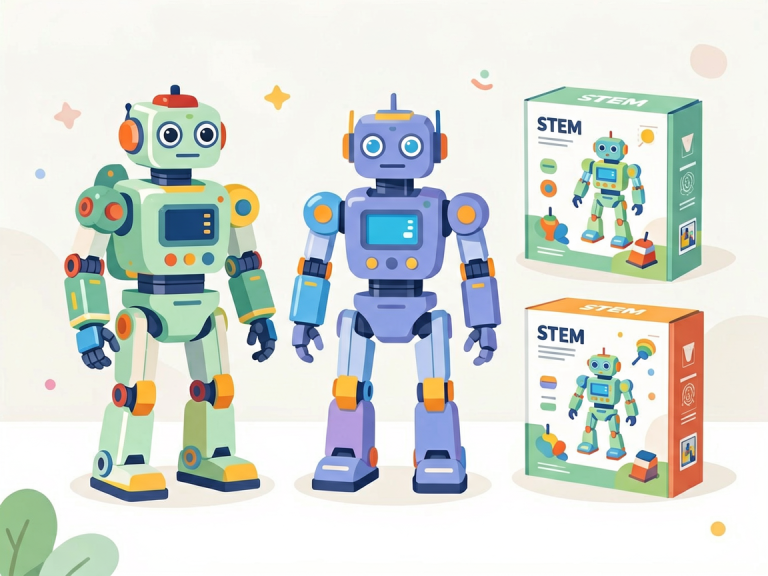
Craft Kits vs. Art Supplies: The Heartfelt Christmas Gift Choice
Craft kits and art supplies both make heartfelt Christmas gifts, but they play very differently. Which one fits the child on your list.
Read More — Craft Kits vs. Art Supplies: The Heartfelt Christmas Gift Choice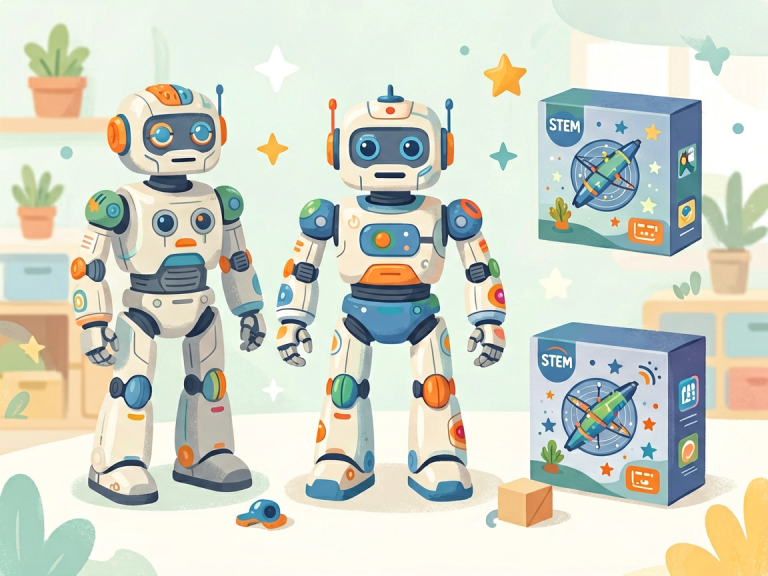
Craft Kits and Art Supplies: Perfect Birthday Gifts
Craft kits and art supplies are top birthday picks for good reason. How each kind of gift plays out over the months after the party.
Read More — Craft Kits and Art Supplies: Perfect Birthday Gifts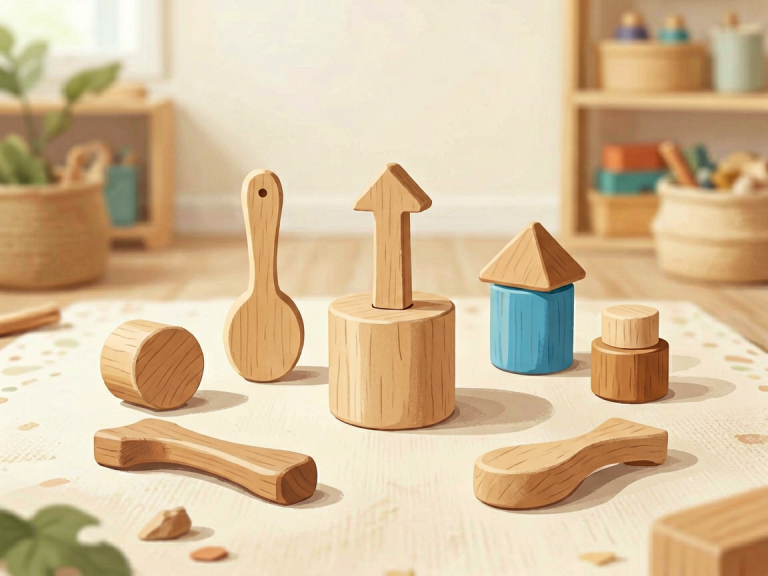
The Shiny Box Trap: Why 8-Year-Olds Buy with Their Eyes
Eight-year-olds grab what looks exciting, not what lasts. See how glossy packaging skews toy choices and what to check instead.
Read More — The Shiny Box Trap: Why 8-Year-Olds Buy with Their Eyes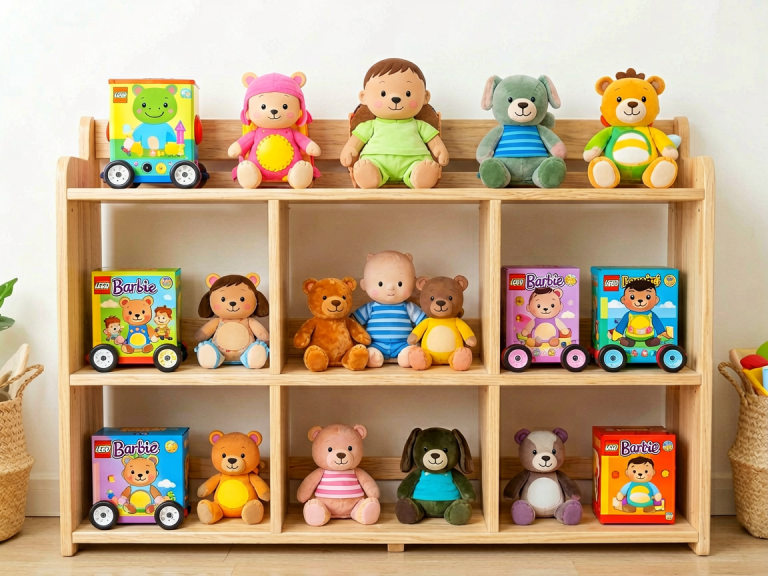
Are Coding Toys Worth It for 12-Year-Olds? The Real Value
Coding toys for twelve-year-olds are sold as prep for the future. A balanced look at what they teach, what they cost, and who benefits most.
Read More — Are Coding Toys Worth It for 12-Year-Olds? The Real ValueBrowse by Decision Topic
Not sure where to start?
Run the ten-minute toy check before you buy: age fit, safety, play value, and the cheaper alternative.